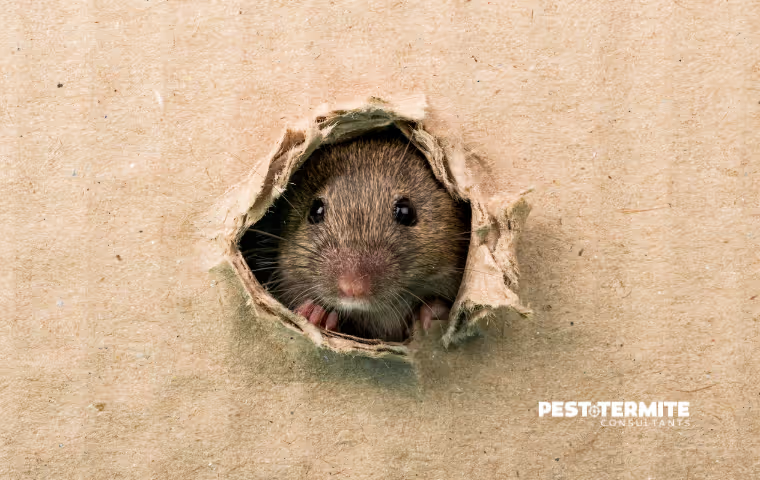
How to Rodent-Proof Your Raleigh Home Before Holiday Travel Starts

An empty house in November gives mice and rats exactly what they want: quiet, warmth, and no one around to notice them. If you're heading out for Thanksgiving or the December holidays, a few hours of sealing now can save you from coming home to chewed insulation and droppings in your pantry. Rodent prevention in Raleigh comes down to closing off potential entry points and checking them again before you go.
Mice and rats move toward shelter as the nights get colder. Once they're inside, they nest in attics, wall voids, and crawlspaces, and they can stay hidden for weeks. Travel gives them more time to settle in unnoticed.
Where Rodents Get Into Raleigh Homes
Rats often follow utility lines and can enter homes through quarter-sized gaps, while mice can squeeze through openings about the width of a pencil, so the entry points are usually smaller than homeowners expect. Walk the outside of your house and look low, then high.
During your inspection, check for:
- Gaps around pipes, gas lines, and dryer vents where they pass through the wall
- Cracked or missing weatherstripping and worn door sweeps on garage and exterior doors
- Foundation vents with torn screens
- Gaps where siding meets the foundation
- Roofline gaps near eaves, soffits, and attic vents
- Crawlspace access doors that don't close tightly
It’s also important to note that homes of different ages have different weak spots. Older houses tend to have more settling gaps, and newer ones often have gaps around utility penetrations.
If you find a hole, filling it with steel wool or copper mesh and then covering it with sealant holds up better than foam or caulk alone, which rodents can easily chew through.
A Pre-Travel Rodent-Proofing Checklist
The best time to seal is a week or two before you leave, which gives you time to spot new activity and fix what you missed. Work through these steps in order:
- Seal exterior gaps you found during your walk-around, starting with anything near the garage and crawlspace.
- Store pantry food, pet food, and birdseed in hard plastic or metal containers.
- Clear stacked boxes and clutter from the garage, attic, and crawlspace so activity is easier to see.
- Put out a few snap traps in the garage and under sinks, then ask a neighbor or house sitter to check them if you'll be gone more than a few days.
- Take out trash and recycling the day you leave, and don't leave bags in the garage.
Fresh droppings, gnaw marks, or scratching in the walls at night all point to an existing rodent problem. Sealing entry points with a mouse still in the house just traps it inside. If you see signs of rodents, have the activity dealt with first.
When to Call for Professional Rodent Control
If you hear activity in your attic or walls, find droppings, or are catching mice or rats in snap traps but don’t know how they are getting in, it's time to bring in a professional. Rodent exclusion means finding every entry point, sealing it with the right materials, and removing any rodents already inside. That's hard to do without the proper equipment and training.
Our team handles rodent control in Raleigh, Cary, Garner, Wake Forest, and the surrounding communities, and we can inspect your home before you travel to make sure you don’t return to an unpleasant surprise.
FAQs About Rodent Prevention Before Holiday Travel
How early should I seal my home before traveling?
One to two weeks ahead is a good window. That leaves time to see whether any rodents are already inside and fix any gaps you may have missed.
Will rodents leave on their own if I seal the gaps?
No. Any rodents already inside will stay inside through the colder months. It is best to remove mice and rats before sealing.
Are snap traps safe to leave while I'm away?
They're fine in garages, attics, and under sinks if no kids or pets can access them. It’s best to have someone check them while you’re gone, because a trap you can't reach for a week can be a problem of its own.
What do mouse droppings look like?
They are small, dark, and about the size of a grain of rice. Rat droppings, which are larger with blunt ends, are commonly mistaken for mouse droppings. Finding either one means rodents are active nearby.
Does cold weather mean rodents are more active indoors?
Yes. Cooler nights push mice and rats toward warm, sheltered spaces. Fall and early winter are the busiest times for rodents entering homes.
Get Your Home Ready Before You Go
Don't leave rodents alone in your house over the holidays. Give us a call or request a free quote online, and our team at Pest & Termite Consultants will help you check and seal your Raleigh home before you travel.