
What Are Stinging Insects?
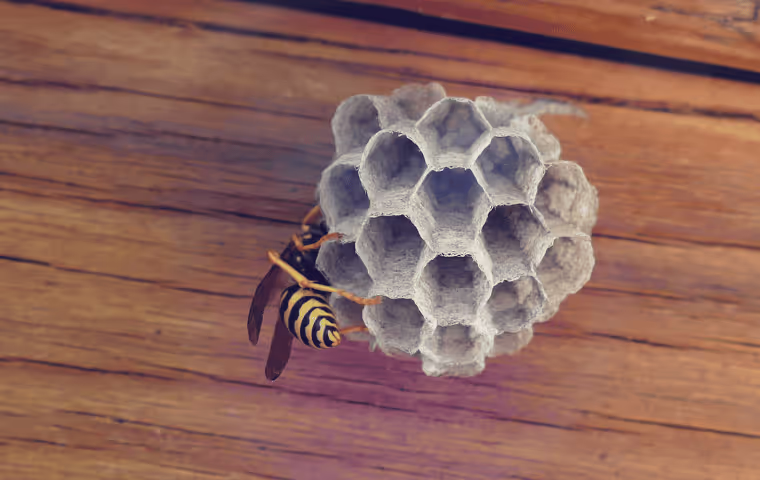
Stinging insects include wasps, hornets, and yellow jackets, all common across the Carolinas from spring through fall. They are beneficial outdoors because they hunt other insects and help pollinate plants, but they become a problem when they build nests close to homes and outdoor living spaces.
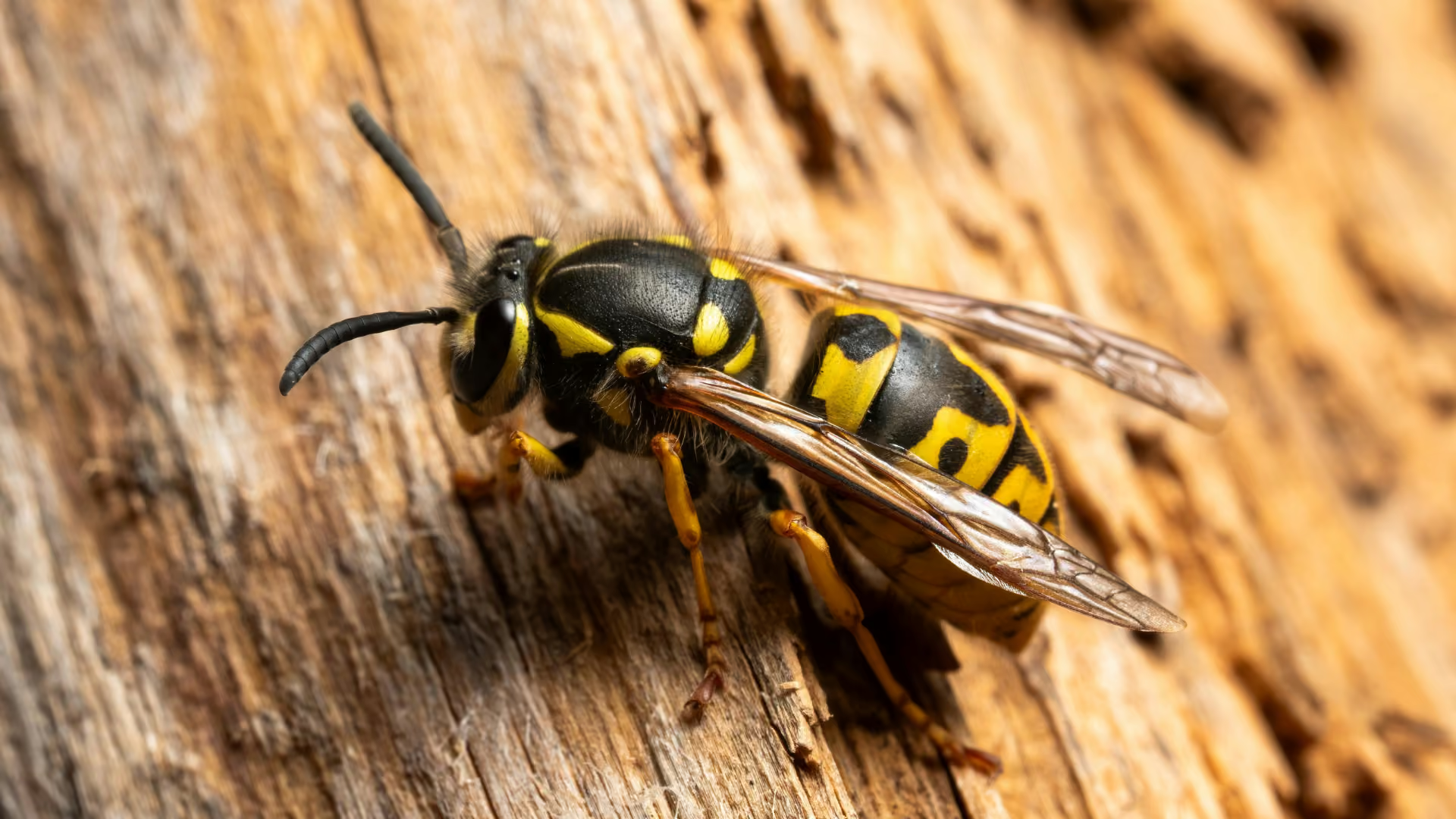
Paper wasps have slender bodies and long legs and build open, umbrella-shaped nests under eaves and railings. Yellow jackets are shorter and stockier and often nest in the ground or inside wall voids. Bald-faced hornets build large gray paper nests in trees and on structures. Each of these can sting more than once, and yellow jackets and hornets are especially quick to defend a nest.
Because a mature nest can hold hundreds of insects, activity tends to peak in late summer when colonies are largest and most defensive.


Are Stinging Insects Dangerous?
Yes. Wasps, hornets, and yellow jackets can sting repeatedly, and their stings are painful. For people who are allergic, a sting can trigger a serious reaction that needs medical care. Even without an allergy, a nest disturbed near a door, deck, or play area can lead to multiple stings in seconds.
Why Do I Have a Stinging Insect Problem?
These insects are drawn to properties that offer food and sheltered nesting sites. Open trash, sugary drinks, fallen fruit, and pet food attract foragers, while eaves, sheds, wall voids, and undisturbed ground give them protected spots to build.
Where Will I Find Stinging Insects?
Look for nests under roof eaves, soffits, and deck railings, inside sheds and garages, in shrubs and trees, and in the ground along walkways and garden beds. Yellow jackets often slip into wall voids through small exterior gaps, which makes their nests hard to see and risky to reach.
How Do I Get Rid of Stinging Insects?
Knocking down a nest without the right protection is dangerous, and store-bought sprays often provoke the colony without removing it. The safest option is professional removal. At Pest and Termite Consultants, our technicians locate the nest, treat it with the proper equipment, and take steps to keep the area from being re-colonized.
How Can I Prevent Stinging Insects in the Future?
You can lower the odds of a nest near your home with a few steps:
- Keep outdoor trash cans sealed and rinse out recyclables.
- Clean up fallen fruit and spilled food and drinks promptly.
- Seal gaps around eaves, soffits, siding, and utility lines.
- Keep doors and windows screened and closed.
- Check eaves, railings, and sheds early in the season for new nests.
- Avoid leaving pet food and open drinks outside for long periods.
Stinging Insect Control Services Near You
Stinging Insect problems are easier to handle with local, professional help. Our licensed technicians know the conditions that drive stinging insect activity in your area and tailor treatment to your property. Choose your closest location below to learn more:
- Stinging Insect Control in North Myrtle Beach, SC
- Stinging Insect Control in Wilmington, NC
- Stinging Insect Control in Raleigh, NC
- Stinging Insect Control in Durham, NC
- Stinging Insect Control in Fuquay-Varina, NC
- Stinging Insect Control in Fayetteville, NC
Not sure which location to choose? Contact us and we'll connect you with the right team for your home or business.
Are Stinging Insects Dangerous?
Yes. Wasps, hornets, and yellow jackets can sting repeatedly, and their stings are painful. For people who are allergic, a sting can trigger a serious reaction that needs medical care. Even without an allergy, a nest disturbed near a door, deck, or play area can lead to multiple stings in seconds.
Why Do I Have a Stinging Insect Problem?
These insects are drawn to properties that offer food and sheltered nesting sites. Open trash, sugary drinks, fallen fruit, and pet food attract foragers, while eaves, sheds, wall voids, and undisturbed ground give them protected spots to build.
Where Will I Find Stinging Insects?
Look for nests under roof eaves, soffits, and deck railings, inside sheds and garages, in shrubs and trees, and in the ground along walkways and garden beds. Yellow jackets often slip into wall voids through small exterior gaps, which makes their nests hard to see and risky to reach.
How Do I Get Rid of Stinging Insects?
Knocking down a nest without the right protection is dangerous, and store-bought sprays often provoke the colony without removing it. The safest option is professional removal. At Pest and Termite Consultants, our technicians locate the nest, treat it with the proper equipment, and take steps to keep the area from being re-colonized.
How Can I Prevent Stinging Insects in the Future?
You can lower the odds of a nest near your home with a few steps:
- Keep outdoor trash cans sealed and rinse out recyclables.
- Clean up fallen fruit and spilled food and drinks promptly.
- Seal gaps around eaves, soffits, siding, and utility lines.
- Keep doors and windows screened and closed.
- Check eaves, railings, and sheds early in the season for new nests.
- Avoid leaving pet food and open drinks outside for long periods.
Stinging Insect Control Services Near You
Stinging Insect problems are easier to handle with local, professional help. Our licensed technicians know the conditions that drive stinging insect activity in your area and tailor treatment to your property. Choose your closest location below to learn more:
- Stinging Insect Control in North Myrtle Beach, SC
- Stinging Insect Control in Wilmington, NC
- Stinging Insect Control in Raleigh, NC
- Stinging Insect Control in Durham, NC
- Stinging Insect Control in Fuquay-Varina, NC
- Stinging Insect Control in Fayetteville, NC
Not sure which location to choose? Contact us and we'll connect you with the right team for your home or business.

